

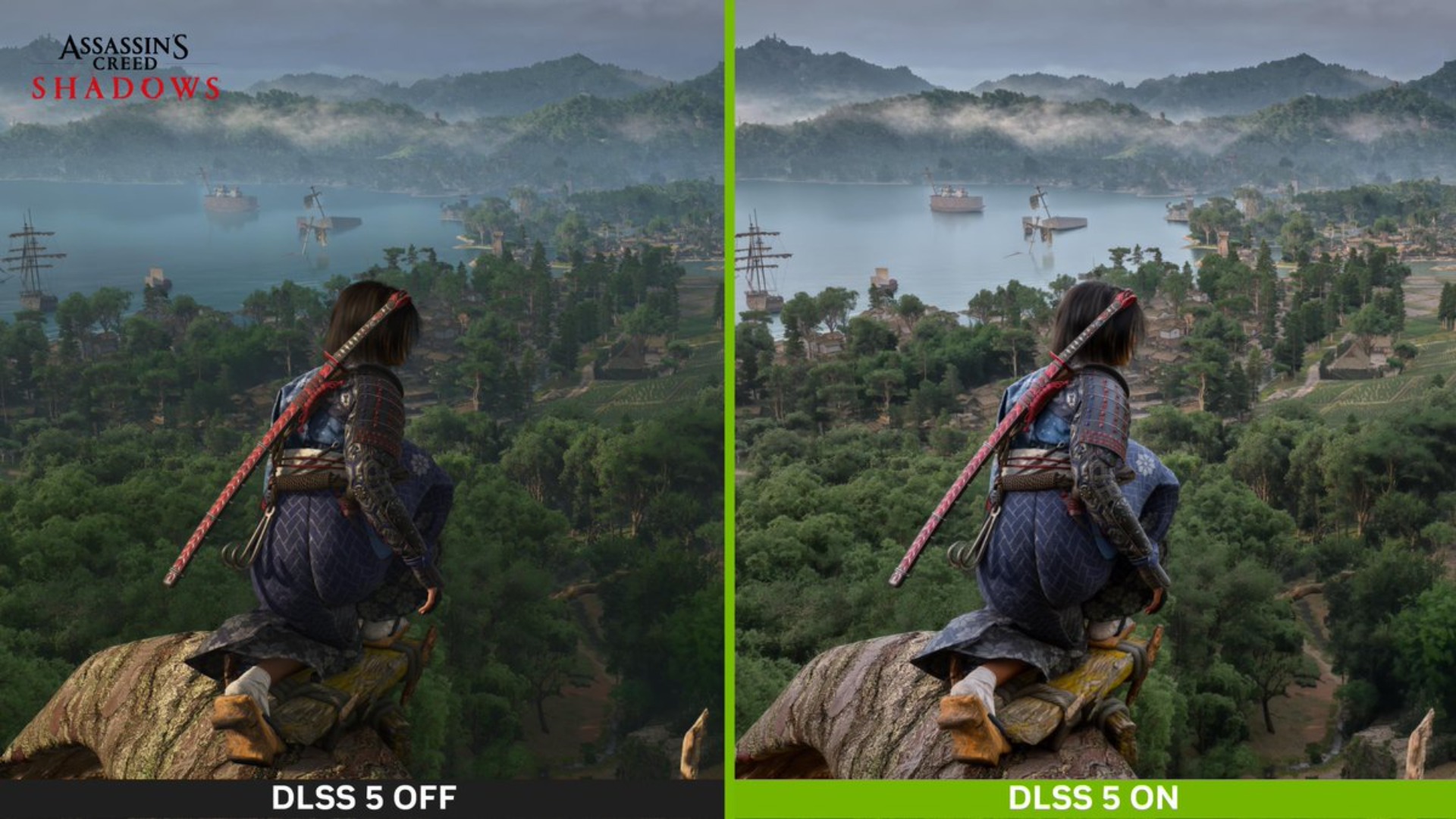
In recent years, the Assassin’s Creed saga has established itself as one of the main franchises in the world of video games, recognized for its engaging storytelling, detailed historical settings, and constant innovation in graphic technology. However, the implementation of new artificial intelligence technologies, such as Nvidia’s DLSS 5, in recent titles has sparked heated debates among the gaming community and industry experts.
The release of Assassin’s Creed Shadows, marked as one of the main examples of AI feature use in gaming environments, was received with a mix of expectations and harsh criticism. While Ubisoft emphasizes the benefits of improvements in visual quality and immersive experience, many fans and professional gamers express legitimate concerns about the impact of this technology on the franchise’s artistic identity, as well as questioning aspects related to management and strategic decisions of the company.
Context of DLSS 5 Implementation in Assassin’s Creed Shadows
The choice to incorporate DLSS 5, an advanced upscaling technology based on artificial intelligence developed by Nvidia, was presented as an evolution in graphic quality and processing efficiency in games. This tool uses sophisticated algorithms to generate high-resolution images from lower-resolution frames, reducing hardware load and providing a more realistic and smooth visual experience.
For Ubisoft, this innovation represents an attempt to raise the technical standard of its titles, especially in the face of increasingly fierce competition in the high-fidelity graphics market. By highlighting the potential of DLSS 5 to improve lighting, materials, and character details, the company aims to solidify its image as a leader in technological innovation. However, the adoption of this technology has also sparked an intense ethical and artistic debate, with differing opinions on the effects of such advances on aesthetics and the authenticity of the created universes.
How DLSS 5 Works and Its Advantages
DLSS 5 employs deep learning algorithms to reconstruct higher-resolution images from lower-resolution frames, optimizing hardware resource use. This technique allows games to run with higher frame rates, as well as providing more refined details and more realistic lighting. As a result, players perceive greater immersion and a visual experience closer to reality.
Among the main advantages of DLSS 5 are:
- Reduced energy consumption in graphics processing, enabling greater hardware efficiency
- Improved image quality, with higher detail and visual fidelity
- Ability to maintain high performance, even in extreme graphic settings
On the other hand, critics argue that intensive AI use can limit artistic expression and harm the unique aesthetics of each title, creating a sense of uniformity or “generic AI,” as some describe within the gaming community.
Community Reactions and Criticism of Ubisoft’s Decision
Since the announcement that Assassin’s Creed Shadows would use DLSS 5, the gaming community’s reaction has been marked by a combination of skepticism, concern, and even outrage. Specialized forums, social media, and discussion platforms like Reddit have become arenas for heated debates, where many fans expressed their fears about the franchise’s future.
One of the most recurring criticisms concerns the perception that the inclusion of DLSS 5 represents a radical shift in the series’ artistic philosophy, which has always valued detailed historical environments and an aesthetic that conveys authenticity. For these players, the technology could end up harming the franchise’s visual identity, making its environments more “standardized” and less unique.
Controversy Involving Ubisoft Leadership and Allegations of Nepotism
Another point fueling the discussion is the presence of Charlie Guillemot, co-CEO of Ubisoft Vantage and son of Yves Guillemot, CEO of Ubisoft. His involvement in project leadership and in the strategy of implementing new technologies has been criticized by part of the community, which associates this decision with possible nepotism.
Critics argue that Guillemot’s presence in high-visibility projects, such as the use of artificial intelligence in AAA games, raises questions about meritocracy and transparency in the company’s management. Ubisoft, in turn, tries to mitigate these criticisms by stating that the company operates as a “family organization,” justifying the participation of family members in the leadership structure.
Internal Repercussions at Ubisoft and Potential Future Impacts
Internally, the controversy has sparked debates about the company’s strategic direction in innovation, especially in the areas of technology and artistic innovation. Some employees and insiders claim that the pressure for quick results and the pursuit of technological prominence may be harming Ubisoft’s cultural identity, as well as causing instability within the development team.
For the market, there is a growing concern that these tensions could affect the brand’s reputation and its ability to innovate authentically, without overly relying on marketing strategies or technology that might divide the fan base.
Ubisoft and Nvidia Defenses in Favor of DLSS 5
Despite initial strong resistance, Ubisoft and Nvidia continue to defend the adoption of DLSS 5 as a crucial innovation for the future of high-quality gaming. According to representatives of these companies, the technology offers technical and aesthetic benefits that could revolutionize the player experience.
For Ubisoft, DLSS 5 is seen as a tool capable of expanding developers’ creative possibilities, enabling more detailed and realistic environments, as well as improving performance even on less powerful platforms. The strategy is for the technology to be an ally in the pursuit of increasingly immersive and visually impressive titles.
Statements from Representatives and Expectations for the Future
Charlie Guillemot, in official statements, said that “AI technology can transform the way we create virtual worlds, making them more realistic and engaging”. He emphasized that the goal is to offer players a more authentic experience, highlighting that improvements in rendering lighting, materials, and characters are fundamental in this process.
Nvidia reinforces the idea that DLSS 5 represents an unprecedented technical advance, capable of balancing visual quality and performance, a combination that could define a new era for high-fidelity games. Both companies estimate that, over time, the technology will be increasingly integrated into AAA titles, contributing to continuous evolution in the gaming experience.
Acceptance Perspectives and Long-Term Challenges
Although the defenses of DLSS 5 are convincing from a technical standpoint, the future of its implementation in titles like Assassin’s Creed Shadows depends on player acceptance. Community resistance indicates that the path to widespread adoption of AI-based technologies still faces significant obstacles, especially related to preserving the original aesthetics and transparency in resource management.
Industry experts point out that, to gain public trust, Ubisoft will need to balance innovation with respect for fan expectations, as well as promote transparent dialogues about the benefits and limitations of the technology. Additionally, it will be crucial to monitor how developers will adapt their art and narrative strategies to authentically incorporate these innovations.
Impact on Franchise Reputation and Possible Adaptation Strategies
If criticisms persist, there is a risk that Assassin’s Creed’s reputation could be affected, potentially leading to a loss of credibility among the traditional audience. To mitigate this scenario, Ubisoft could invest in awareness campaigns, highlighting technical improvements without compromising the aesthetic and narrative integrity of its games.
Furthermore, the company could increase community involvement in development decisions, promoting surveys and direct feedback to build a more transparent and collaborative relationship with its players. These actions could help consolidate technological innovation without harming the franchise’s artistic identity.
Conclusion: Challenges and Opportunities in the Age of Artificial Intelligence in Gaming
The case of Assassin’s Creed Shadows and the implementation of DLSS 5 illustrate a crucial moment in the evolution of the video game industry, where artificial intelligence technology becomes both a tool for innovation and controversy. While the potential for graphic and performance improvements is undeniable, the risks of losing artistic authenticity and alienating traditional fans pose challenges that developers must approach carefully.
The balance between innovation and preservation of artistic identity will be decisive for the success or failure of this new phase. Companies like Ubisoft and Nvidia have the opportunity to lead this transformation responsibly, promoting a narrative that values both technology and creativity. In the long run, recognizing that technology should serve art and user experience will be essential to building a more sustainable, innovative, and culturally respectful industry.