

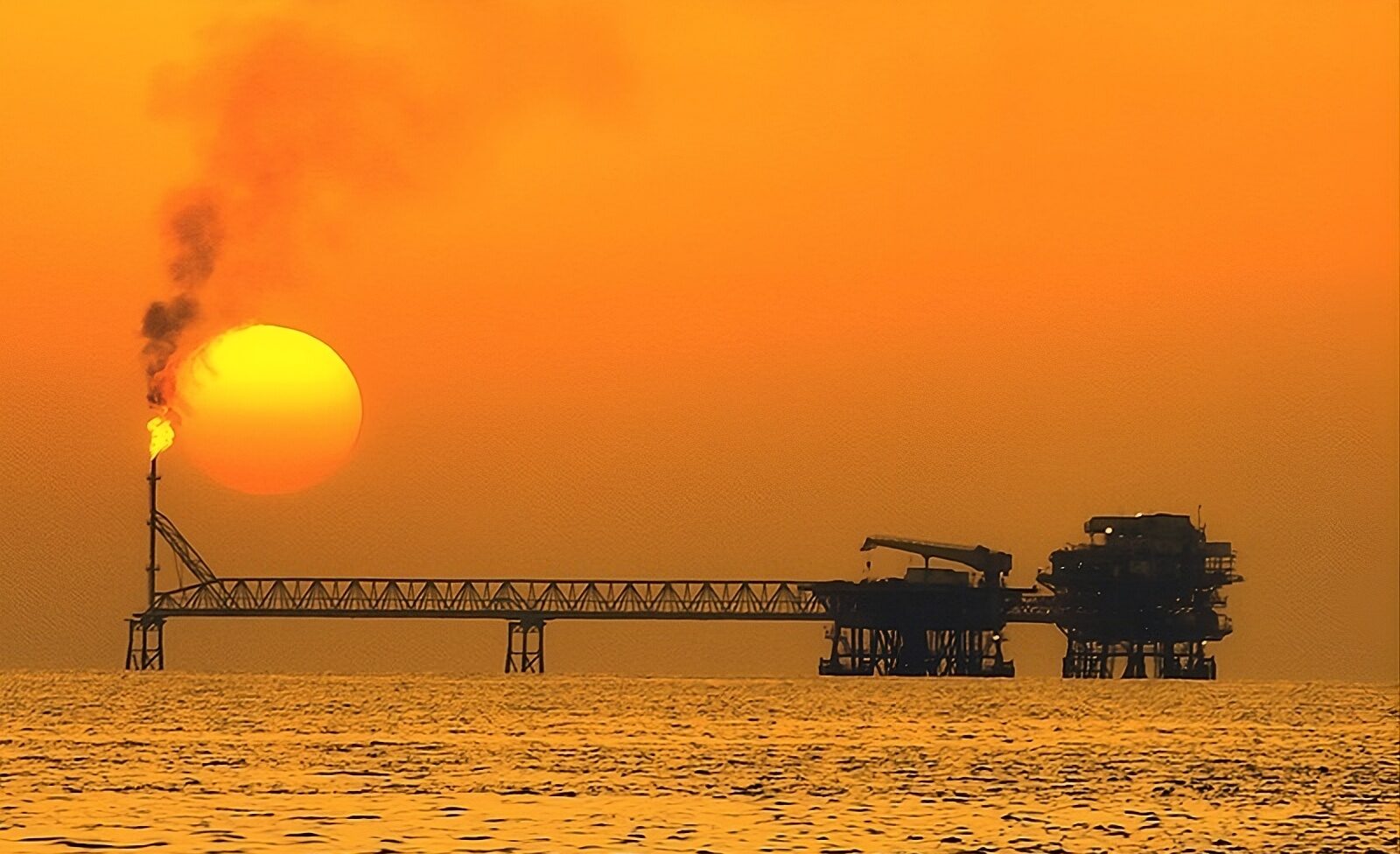
South Pars Hit: When War Targets Energy, the World Pays
An attack struck parts of the South Pars gas complex in Iran, pushing the conflict into a sharper and potentially more dangerous phase: one where energy infrastructure becomes a direct target. Iranian officials have signaled possible retaliation against energy assets across the Gulf, while markets rapidly reprice risk. Oil and gas prices jump not only because of what happened, but because of what could happen next: fresh disruptions, new strikes, and tighter constraints on critical routes.
From battlefield to balance sheet
The strike on South Pars highlights a shift that veterans of Middle East crises recognize immediately. Oil and gas facilities have been threatened before, but they were not always treated as central, recurring targets. Now the script looks different. Energy is no longer merely collateral damage or an indirect consequence. It is becoming a strategic pressure tool.
According to the Financial Times, the attack affected sections of the field and related installations, triggering fires and forcing operators to suspend some units to contain the situation. While public confirmation about authorship and methods has not been fully settled in every detail, the political effect was immediate. Tehran framed the episode as evidence that the war has entered a domain where the cost to third parties can rise quickly. Once energy enters the equation, anxiety spreads far beyond the region: equities, currencies, inflation expectations, marine insurance, and the industrial supply chains that depend on stable fuel prices all react at once.
Why South Pars Matters So Much
South Pars is often described as one of Iran’s most important energy assets and, by extension, one of the Gulf’s most strategic production hubs. It underpins a large share of Iran’s gas supply, feeding industry, power generation, downstream products, and the broader petrochemical base. It also carries symbolic weight. For Iran, South Pars represents productive capacity and energy autonomy in a country shaped by decades of external pressure and sanctions.
When a complex of this scale is hit, the impact cannot be measured solely by what was interrupted on a single day. The real effect unfolds in layers:
- Escalation risk: once one major energy site is hit, markets fear more strikes could follow.
- Repair under threat: restoration and maintenance become slower and more expensive when attacks could recur.
- Supplier stress: equipment, crews, and logistics face bottlenecks and heightened security costs.
- The corrosive question: if South Pars can be targeted, what stops the next strike from being larger, more frequent, or closer to export chokepoints?
The Message Behind the Strike: Energy as an Escalation Lever
Behind closed doors, the dominant interpretation is that South Pars expands the space for escalation in two directions at the same time. The first is military: each side broadens the list of “legitimate” targets in its narrative. The second is economic: the conflict becomes a price and supply shock that pressures countries not directly fighting, but deeply dependent on Gulf stability to preserve growth and social calm.
According to the Financial Times, Iranian officials began signaling that Gulf energy infrastructure could become part of a response. That messaging is particularly sensitive because the damage does not need to be long-lasting to be effective. A single incident involving fire, a temporary shutdown, or panic in maritime transit can raise insurance premiums, deter ships, increase freight costs, and trigger a rush for inventories across multiple markets.
Retaliation threats and the Gulf target map
When Iran talks about responding against energy assets, the target is not only a specific facility. The deeper target is confidence in continuous energy flows. That confidence depends on an interconnected system: refineries, terminals, power stations, pipelines, ports, storage depots, and the security of navigation itself.
In market coverage cited by The Guardian, the episode intensified concerns about broader regional escalation, including risks to neighboring energy assets and to export routes. The logic is straightforward: if the conflict reaches the Gulf’s energy core, the consequences are global. Markets move ahead of perfect confirmation because the cost of reacting late can be catastrophic.
- Immediate impact: higher prices and a jump in perceived risk.
- Logistics impact: altered routes, more expensive insurance, and delays.
- Political impact: pressure for responses, asset protection, and tighter alliances.
Oil and Gas: Why Prices React So Fast
When news of the South Pars strike spread, price reactions were sharp. According to the Financial Times and economic reporting referenced by The Guardian, oil climbed quickly and gas also absorbed a shock. Moves like this do not require a total supply cutoff. They are driven by probability. Prices rise because the likelihood of further disruptions increases: additional attacks, retaliatory strikes, and countermeasures that affect production, refining, or transport.
In energy markets, timing is everything. Fertilizer plants, thermal power stations, and petrochemical complexes cannot simply stop and restart without major costs. When risk signals flare, companies hedge by buying earlier, governments reassess strategic reserves, and traders reposition. That behavior, multiplied across the system, pushes prices upward even before physical shortages appear.
The most feared scenario: the domino effect
The central fear is not a single event. It is the sequence. One strike leads to a threat. The threat triggers military reinforcement and tighter logistics. That raises the chance of incidents. And incidents, even small ones, can produce outsized reactions in shipping, insurance, and futures markets.
As tension rises, some maritime operators may slow down, reroute, wait for escorts, or suspend voyages. These decisions do not need to be universal to matter. If a meaningful fraction of traffic changes behavior, supply tightens and delivery timelines lengthen, feeding a second round of price pressure.
Hormuz at the Center: The Artery Back on Maximum Alert
Even when an attack happens on land, it reverberates in the most sensitive place of all: the Strait of Hormuz. The passage is treated as an artery of global energy trade. Any escalation involving oil and gas instantly raises attention on Hormuz because that is where risk becomes a physical bottleneck.
Economic reporting cited by The Guardian emphasizes that wartime conditions increase risks to the global economy precisely because energy and transport become more exposed. If confidence in flows through Hormuz wobbles, markets price not only Iran’s barrels, but the risk of regional spillover that affects other exporters and the Gulf’s entire logistics system.
The hidden bill: insurance and freight
Many people watch only the price per barrel. But the real-world price includes freight, insurance, and operational risk. In periods of tension, insurers and shipping companies reassess routes, raise premiums, and introduce additional requirements. Those costs flow into refiners and distributors and eventually into consumer prices.
That is why, even without a complete disruption, importing countries begin discussing measures to reduce logistics shock, diversify suppliers, and manage inventories more aggressively.
What Iran Seeks and What Rivals Try to Prevent
The strategy behind retaliatory signaling can serve multiple objectives. One is deterrence: increasing the expected cost for adversaries and regional partners. Another is indirect negotiation: signaling that the war can impose economic damage at a scale that forces mediation. A third objective is domestic: reinforcing the message that Iran will respond, preserving legitimacy in the eyes of the public and power structures.
On the other side, rivals and external powers interested in containing escalation try to prevent energy from becoming a repeated cycle of strike and counterstrike. If that cycle takes hold, the risk of a prolonged crisis rises and so does the likelihood of recessionary pressure in multiple economies due to expensive energy and persistent inflation.
Energy as the new frontier
There is a key difference between attacks on military targets and attacks on energy infrastructure. The latter tends to affect civilians more broadly: through prices, supply constraints, environmental impacts, and industrial disruption. That expands international pressure and can pull external actors deeper into the crisis for economic reasons, not only strategic ones.
According to the Financial Times, Tehran’s reading is that the conflict has entered a more dangerous and more expensive stage. From that point on, every action becomes precedent. If one side hits an energy asset, the other can argue it is now authorized to do the same. What used to be exceptional risks becoming routine.
The Global Spillover: Inflation, Growth, and Monetary Policy
When oil and gas rise quickly, inflation follows. Higher energy costs squeeze transport, food, industry, and services. Central banks facing stubborn inflation may delay rate cuts. That keeps credit expensive and cools growth. In other words, an event in the Gulf can influence interest-rate decisions in cities thousands of miles away.
Economic coverage referenced by The Guardian links rising Middle East risk to macroeconomic consequences, stressing that commodity volatility and energy costs increase uncertainty for the global economy. This matters because it shows the South Pars attack is not only a military chapter. It is also a trigger for economic policy worldwide.
Who feels it first and why
- Net energy importers: costs rise quickly for fuel and transport.
- Gas-intensive industries: petrochemicals, fertilizers, and thermal generation become more vulnerable.
- Consumers: energy and basic goods get more expensive, intensifying social and political pressure.
Possible Scenarios in the Coming Weeks
Based on patterns seen after the strike, three short-term scenarios stand out. First, the episode remains contained, defenses tighten, and the risk premium gradually eases. Second, a sequence of attacks and threats keeps energy under pressure, sustaining high prices and volatility. Third, the worst-case path: repeated strikes on infrastructure and harsher constraints on transport, raising the risk of a global shock.
According to the Financial Times, the market’s central concern is scenario two and scenario three: retaliatory cycles and strikes on energy assets. Even if officials attempt to calm narratives, markets tend to react to risk, not to assurances.
What to watch to read the direction of the conflict
- New attack signals: credible reports involving energy sites or logistics.
- Gulf posture: alert levels, protective moves, and diplomatic messaging.
- Shipping and insurance: rerouting patterns and premium spikes as real-time thermometers.
- Price behavior: sustained highs suggest structural risk, not a one-day shock.
Times Qwerty Editorial Perspective
The South Pars strike exposes an uncomfortable reality: when war touches the Gulf’s energy core, the boundary between a regional conflict and a global crisis becomes thinner. Energy is the nervous system of the modern economy. Touch it, and the pain spreads fast, including to countries that are not fighting.
Times Qwerty assesses that the greatest danger is not only physical damage, but the normalization of attacks on assets that sustain supply and stability. A war that turns energy into a recurring target creates bad incentives. Each side tries to demonstrate strength where impact is maximal, placing civilians and entire economies at the mercy of military calculation.
The world should watch not only the next battlefield move, but the next move at fuel pumps, in gas contracts, and in shipping costs. That is where the war’s real reach shows itself. If escalation continues along this path, the conflict stops being only geopolitics and becomes an invisible tax paid through inflation, higher interest rates, and weaker growth.
Sources cited: Financial Times, The Guardian.